
Find Electrical Training in Charlotte
We connect you with partner electrical training providers in Charlotte-Mecklenburg.
GiveNGo does not teach electrical work. We connect you with partner training providers, then help you compare options on schedule, eligibility and funding. This page explains what quality entry-level electrical training typically covers, including the National Electrical Code, residential rough-in and OSHA 10 safety, so you know what to look for.
Finding Electrical Training in Charlotte
Charlotte’s growth creates a constant demand for skilled tradespeople, and electricians are among the most needed. If you want to start an electrical career, the first step is finding the right training provider.
GiveNGo connects you with partner training providers so you do not have to sort through the options alone.
What to look for in an electrical training program
Quality entry-level programs introduce the work an entry-level wireman actually does. Look for a program that covers the areas below.
National Electrical Code
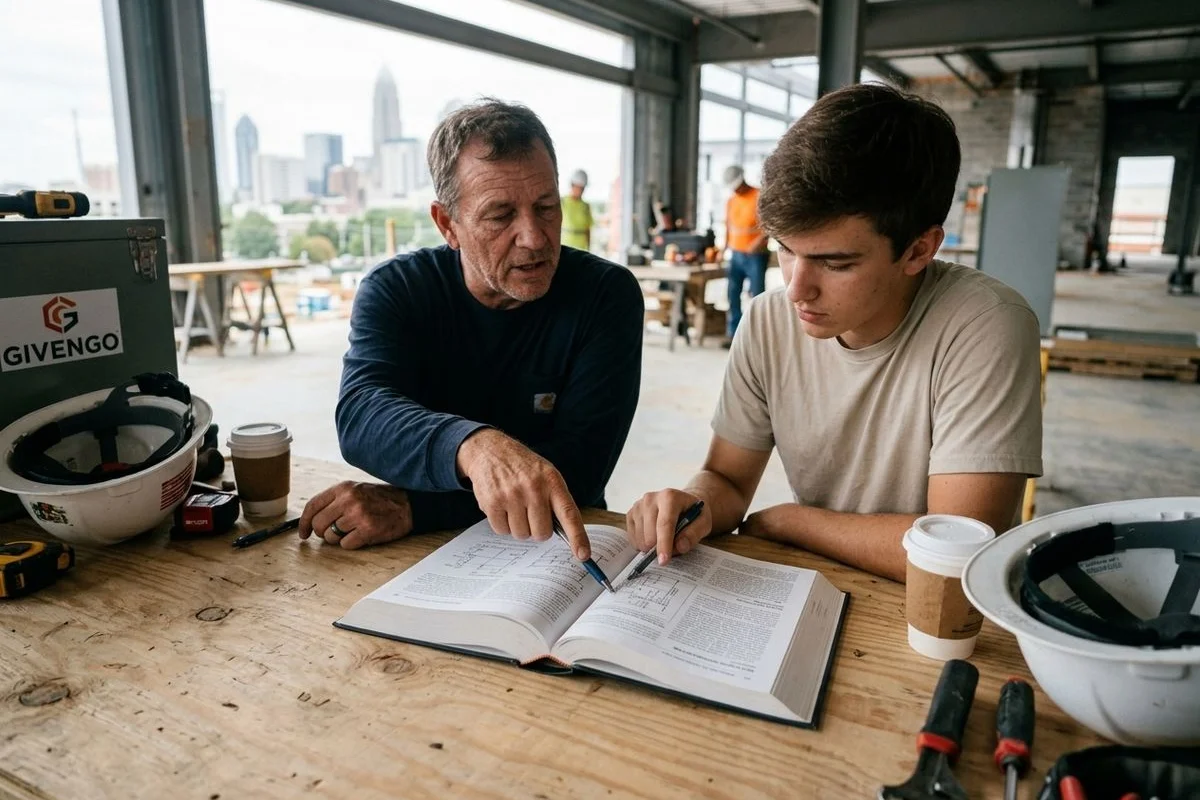
Every professional wireman must understand the rules that keep a building safe. Look for a program that teaches the essential vocabulary and guidelines of the National Electrical Code, including:
- Conductors and proper wire sizing
- Proper grounding techniques for safety
- Circuit ampacity calculations
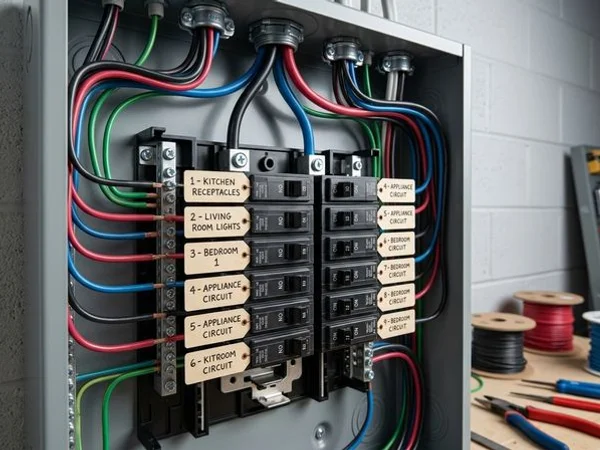
- Reading and mapping panel schedules
Good programs also keep up with recent NEC updates, such as expanded GFCI protection rules near common appliances like clothes dryers.
Tools and safe splicing
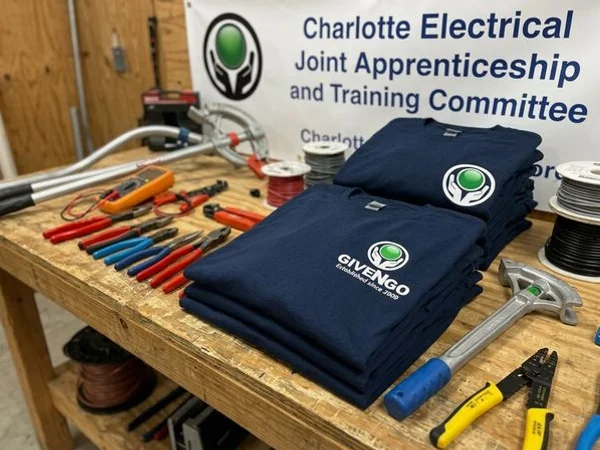
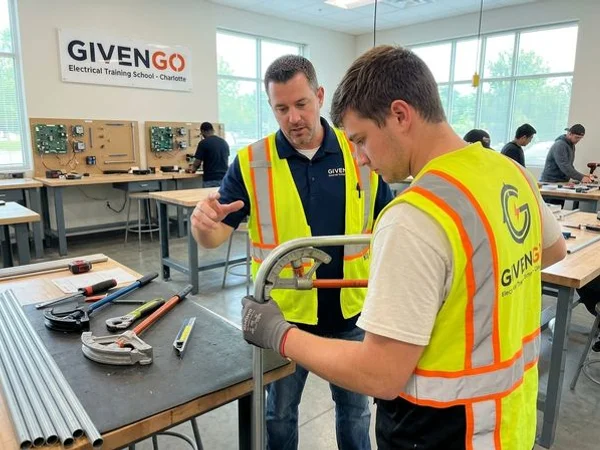
Proper tool handling prevents costly mistakes during a repair or installation. Quality programs include practice with multimeters for checking continuity, voltage and resistance, along with conduit benders and wire strippers. They also stress the fundamentals of safe wire splicing to prevent dangerous errors on a live circuit.
Residential rough-in skills
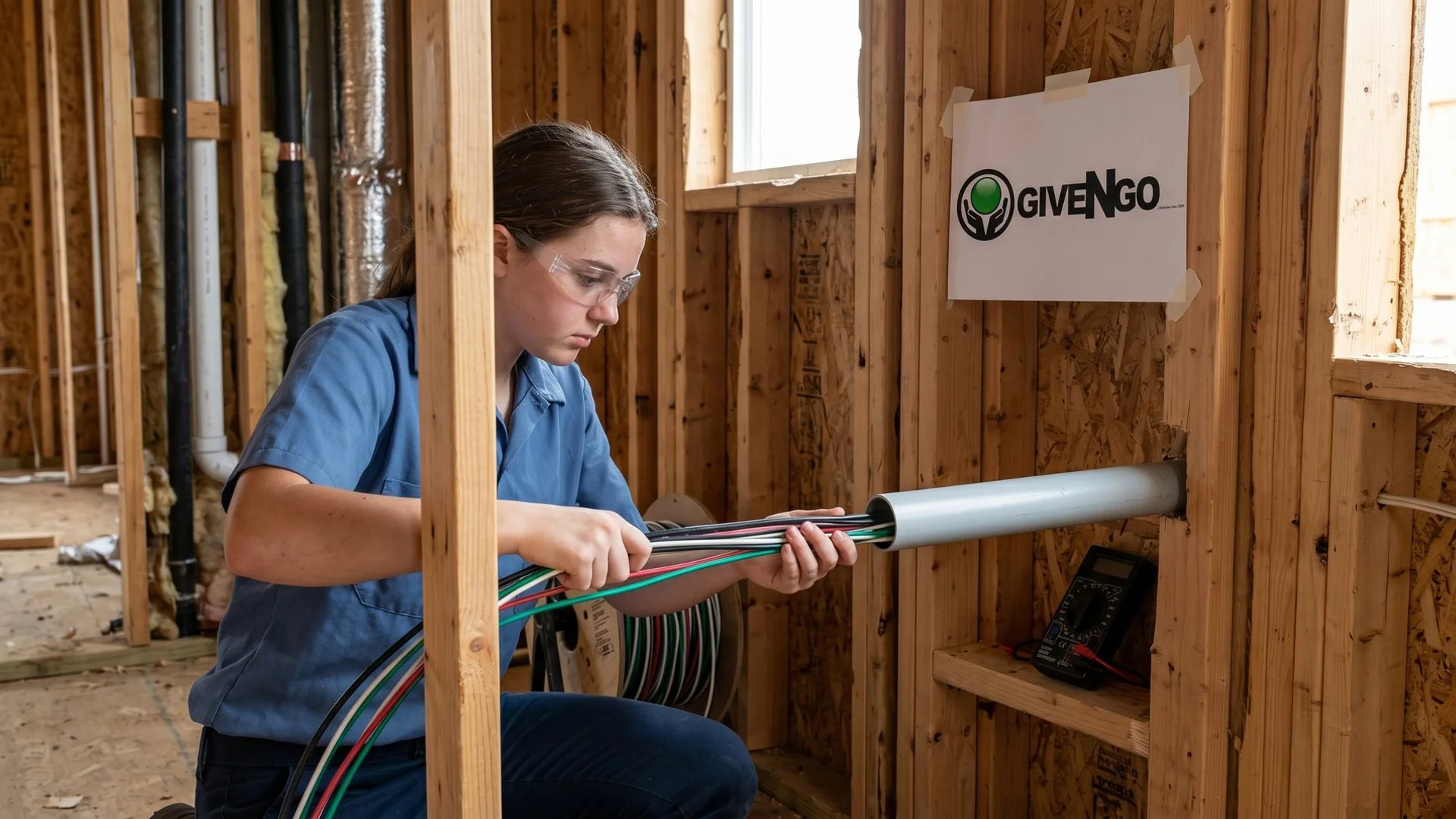
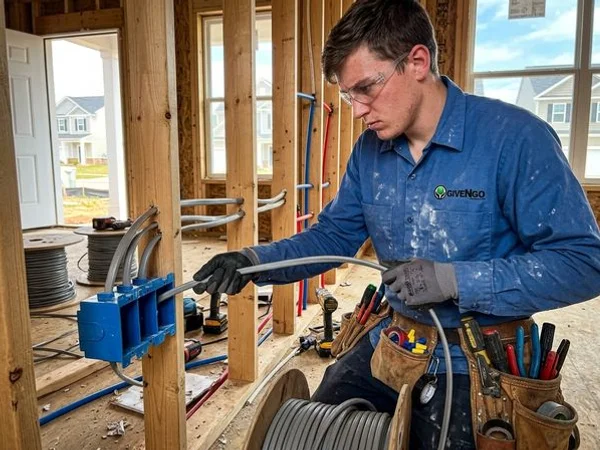
A large share of local work involves wiring homes and apartments. Look for hands-on sessions that cover the steps of a clean, efficient residential rough-in, such as mounting boxes, pulling wire safely through framing and setting up a main electrical panel. Programs should also show how to prep a job for inspection, since passing on the first try keeps projects moving.
OSHA 10 safety
Job sites expect strict safety compliance. Look for a program that includes OSHA 10 safety training, which typically results in a Department of Labor course completion card. Topics usually include:
- Fall prevention and scaffolding safety
- Heat stress management during Carolina summers
- Recognizing and isolating electrical hazards
For more on what a typical training week looks like, see the electrical apprentices curriculum guide.
After training
Entry-level training is the first step. Many people move into a Registered Apprenticeship with a local contractor, which starts a clear path on North Carolina’s licensing ladder from apprentice to journeyman to master electrician. Pay grows as you add experience and licensing milestones. See the electrician careers and pay guide for a closer look at Charlotte salary ranges.
Cost and funding
Cost varies by provider. Some partner programs are tuition-free for eligible participants, so ask each provider about eligibility and funding. We can help you find options.
How GiveNGo helps
GiveNGo does not run electrical training. We connect people in Charlotte-Mecklenburg with partner training providers. Here is how it works:
- Tell us what you are looking for. Share your goals, schedule and any eligibility or funding questions.
- We match you with a partner provider. We look for a provider that fits your schedule, eligibility and funding.
- You move forward with support. We stay in touch as you take the next step.
Ready to start? Use the contact form to get matched with a provider.
What to look for in an electrical program
- • NEC introduction and code-aware wiring basics
- • Multimeters, conduit benders and hand tools
- • Residential rough-in fundamentals
- • OSHA 10 safety training
- • A pathway into NC electrical apprenticeship
What an electrical pathway typically covers
NEC Foundation
National Electrical Code basics: conductors, grounding, circuit fundamentals.
Tools & Bending
Multimeters, conduit benders, splicing, hand-tool fluency.
Residential Rough-In
Box mounting, wire pulling, circuit layout and inspection prep.
Apprenticeship Step
A path into the NC apprentice, journeyman and master licensing ladder.
Connecting People and Opportunities
Building partnerships that create real impact in Charlotte-Mecklenburg.
Ready to Get Connected?
We help connect individuals with the right opportunities through our partner network.
Electrical: Common Questions
Find answers about connecting with opportunities and partners.
Does GiveNGo teach electrical work?
How do I get started?
How much does electrical training cost?
Can I become a licensed electrician through entry-level training?
How much code is in entry-level electrical training?
Is electrical training hands-on or classroom?
Explore More Pathways
PACT Pre-Apprenticeship
Learn about the PACT pre-apprenticeship pathway and how GiveNGo connects people with it.
Find HVAC trainingHVAC Training
Find HVAC training in Charlotte and learn what quality programs cover.
Find carpentry trainingCarpentry Training
Find carpentry training in Charlotte and learn what quality programs cover.
Ready to get connected?
Whether you're looking for opportunities, seeking to partner, or wanting to support our mission. We'd love to hear from you.